Best Time to Buy a Car in Denver: Market Analysis & Seasonal Tips

As an experienced auto broker in Denver, one of the most common questions I hear from clients is, "When is the best time to buy a car?" While there's no one-size-fits-all answer, understanding Denver's unique market dynamics and seasonal patterns can help you secure the best possible deal. Let's dive into a comprehensive analysis of timing your car purchase in the Mile High City.
Understanding Denver's Unique Car Market
Denver's automotive market has distinct characteristics that set it apart from other major cities. Our high altitude, varying weather conditions, and outdoor-oriented lifestyle significantly influence car-buying patterns. Additionally, our strong economy and growing population create specific supply-and-demand dynamics that savvy buyers should understand.
Local Market Factors to Consider
Population Growth Impact: Denver's continued population growth maintains steady demand for vehicles
Weather Considerations: Seasonal weather changes affect both inventory and pricing
Economic Factors: Local job market strength and average income levels influence pricing
Regional Preferences: Higher demand for SUVs, crossovers, and all-wheel-drive vehicles
Seasonal Buying Patterns in Denver
Winter (December - February)
Winter often presents excellent buying opportunities in Denver. Here's why:
Dealers and sellers are typically more motivated during the winter months, particularly in December when they're trying to meet year-end quotas. The combination of cold weather, holiday expenses, and fewer buyers creates favorable conditions for negotiations.
Key Winter Advantages:
Year-end manufacturer incentives
Lower competition from other buyers
Dealers eager to clear previous year models
Potential for significant price reductions
Best December Timing: Focus on the week between Christmas and New Year's when dealerships are particularly motivated to close sales before the year ends.
Spring (March - May)
Spring traditionally sees an uptick in car buying activity in Denver. While this means more inventory options, it also means more competition and potentially higher prices.
Market Characteristics:
Tax refund season increases buyer activity
New model releases often occur
Weather improves, bringing more buyers to market
More trade-ins available, expanding used car inventory
Pro Tip: If shopping in spring, target rainy or snowy days when fewer buyers are out looking.
Summer (June - August)
Summer represents peak car-buying season in Denver, with both advantages and disadvantages for buyers.
Summer Market Dynamics:
Largest selection of vehicles
More trade-ins available
New models arriving at dealerships
Higher competition among buyers
Generally higher prices due to demand
Strategy Tip: Look for deals in late August when dealers begin making room for next year's models.
Fall (September - November)
Fall offers a sweet spot for car buying in Denver, particularly October.
Fall Advantages:
Dealers motivated to clear current-year models
Less competition than summer
Still good weather for shopping
Many manufacturer incentives available
Specific Timing Strategies
Best Days of the Month
Timing your purchase within the month can impact your deal:
Last week of the month: Dealers pushing to meet monthly quotas
First few days of the month: Less crowded, more attentive sales staff
Mondays and Tuesdays: Typically slower days with more negotiating flexibility
Best Time of Day
Visit dealerships during optimal hours:
Early morning: Fresh staff, less crowded
During meal times: Less competition from other buyers
Bad weather: Fewer shoppers mean more attention and flexibility
Market Analysis: Current Trends and Predictions
Current Market Conditions
The Denver auto market has seen significant changes in recent years:
Inventory levels are normalizing after recent supply chain disruptions
Electric vehicle adoption is increasing
Used car prices are gradually stabilizing
New car prices continue to face upward pressure
Price Trends by Vehicle Type
Different vehicle categories show varying seasonal patterns:
SUVs and Crossovers:
Higher prices during summer outdoor season
Better deals available in late winter
Strong demand year-round due to local preferences
Sedans and Economy Cars:
Better prices during winter months
Less seasonal variation in pricing
More negotiating room due to lower demand
Luxury Vehicles:
Best deals in December (end-of-year sales)
Higher prices during summer months
More flexibility in winter negotiations
Working with an Auto Broker: Timing Advantages
Using an auto broker in Denver can help optimize your purchase timing:
Benefits Include:
Market monitoring for price drops
Access to upcoming dealer incentives
Insight into local inventory trends
Negotiation timing expertise
Multiple dealer relationships
Tips for Maximizing Your Timing Strategy
Research Historical Pricing
Track prices for your desired models
Understand seasonal variations
Monitor local market trends
Be Prepared to Act
Secure financing in advance
Have your documents ready
Research your target vehicle thoroughly
Stay Flexible
Consider multiple models
Be open to various colors/options
Have backup choices ready
Monitor Special Events
Holiday sales events
Manufacturer incentive periods
Local dealer promotions
Conclusion
While the best time to buy a car in Denver depends on various factors, understanding these seasonal patterns and market dynamics can help you make an informed decision. Generally, the best deals can be found:
During the winter months, especially December
At the end of any month
Early in the week
During bad weather
At the end of model years
Remember that the "perfect" timing matters less than being well-prepared and informed about the market. Working with an experienced auto broker can help you navigate these timing considerations while ensuring you get the best possible deal regardless of when you choose to buy.
For personalized assistance with timing your car purchase and accessing the best deals in Denver, contact our professional auto broker team. We'll help you navigate the market and secure the right vehicle at the right price, regardless of the season.
[Call to Action: Ready to time your car purchase perfectly? Contact our Denver auto broker team for expert guidance and access to the best deals in any season. Schedule your consultation today!]
Best Winter Cars for Colorado: Mastering Snowy Roads with AWD and 4x4 Options

Driving through Colorado’s winters demands more than just skill—it requires the right vehicle. With its unpredictable snowstorms, icy roads, and rugged mountain terrain, choosing a car with optimal traction and stability is essential. This guide highlights why all-wheel drive (AWD) and four-wheel drive (4x4) vehicles are indispensable for winter driving in Colorado and explores some of the best options available.
AWD vs. 4x4: What’s the Difference?
Both AWD and 4x4 systems enhance a vehicle’s grip on slippery surfaces, but they function differently, catering to distinct driving needs.
All-Wheel Drive (AWD): Designed for on-road and light off-road conditions, AWD systems are always active, automatically distributing power to all four wheels as needed. Modern AWD vehicles, like those from Subaru, use advanced technology to detect and respond to wheel slippage, providing consistent traction without driver input.
Four-Wheel Drive (4x4): Often found in trucks and off-road SUVs, 4x4 systems are more rugged. Drivers manually engage the system to lock power distribution between the front and rear axles. This setup excels in extreme conditions like deep snow or off-road adventures, but it’s less convenient for daily on-road use.
Why Subaru AWD Stands Out
Subaru has become synonymous with AWD excellence, particularly in snowy climates. Unlike other brands that offer AWD as an optional feature, Subaru equips nearly all its models with Symmetrical All-Wheel Drive as standard. What sets Subaru’s system apart is its balanced design: power is evenly distributed along the car’s longitudinal axis, enhancing stability and minimizing understeer or oversteer on slick roads. Additionally, Subaru pairs its AWD with X-Mode, a feature that optimizes engine output and braking for challenging conditions like steep, icy hills.
Top 5 Winter Vehicles for Colorado
Here are five standout vehicles for tackling Colorado’s winters, showcasing a mix of AWD and 4x4 systems.
1. Subaru Outback (AWD)
The Subaru Outback combines rugged capability with refined comfort. Its standard AWD system and 8.7 inches of ground clearance make it ideal for snowy mountain passes. The X-Mode feature further enhances grip on icy terrain, while the spacious interior and advanced safety tech, like EyeSight Driver Assist, make it a top pick for families.
Why it’s great: Superior traction, high safety ratings, and excellent visibility.
Starting Price: ~$28,895.
2. Jeep Wrangler (4x4)
When it comes to conquering off-road trails blanketed in snow, the Jeep Wrangler shines. Its Command-Trac 4x4 system and solid axle suspension provide unmatched performance in extreme conditions. Removable roofs and doors might not scream "winter vehicle," but for those seeking adventure, the Wrangler is unbeatable.
Why it’s great: Rugged 4x4 system, unmatched off-road capabilities.
Starting Price: ~$31,895.
3. Mazda CX-50 (AWD)
Mazda’s CX-50 brings style and substance to winter driving. Its i-Activ AWD system uses sensors to predict and adjust power distribution, ensuring stability on icy roads. While it lacks the ruggedness of a 4x4, its sharp handling and sleek design make it a fantastic urban-winter crossover.
Why it’s great: Predictive AWD, luxurious interior, excellent fuel efficiency.
Starting Price: ~$27,550.
4. Toyota 4Runner (4x4)
Built for durability, the Toyota 4Runner is a staple for Colorado’s rugged winters. With its Part-Time 4WD system, drivers can lock power between axles for maximum traction in snow and ice. The 4Runner also offers ample ground clearance and skid plates, making it perfect for backcountry exploration.
Why it’s great: Tough 4x4 system, high ground clearance, reliability.
Starting Price: ~$40,155.
5. Nissan Rogue (AWD)
The Nissan Rogue’s Intelligent AWD system provides confidence in winter weather by continuously monitoring road conditions and adjusting power delivery. Its smaller size compared to SUVs like the 4Runner makes it easier to maneuver through city snow but still capable for light mountain travel.
Why it’s great: Intelligent AWD, fuel efficiency, and affordability.
Starting Price: ~$28,695.
Other Features to Consider for Winter Driving
When choosing a winter vehicle, consider these additional features:
Ground Clearance: Essential for navigating snowdrifts or uneven terrain. Aim for 8 inches or more for mountain areas.
Winter Tires: Even the best AWD or 4x4 system benefits from proper winter tires for added grip on ice.
Heated Features: Heated seats, steering wheels, and side mirrors add comfort and safety during frigid mornings.
Why Work with a Broker?
Selecting the right winter car can be daunting, especially when considering financing, trim levels, and dealer availability. As a Denver-based auto broker, I specialize in simplifying the car-buying process. From finding the perfect Subaru Outback to securing competitive financing for a Jeep Wrangler, I’ll guide you every step of the way, ensuring you drive into winter prepared and confident.
Whether you’re tackling I-70 on a powder day or navigating icy city streets, investing in the right AWD or 4x4 vehicle can make all the difference. Contact me today to find your perfect winter ride!
How to Negotiate a Car Lease: A Step-by-Step Guide

How to Negotiate a Car Lease: A Step-by-Step Guide
Leasing a car can be an excellent option for drivers who enjoy upgrading vehicles every few years, prefer lower monthly payments, or need the flexibility of shorter ownership commitments. However, like purchasing a car, leasing also involves a negotiation process that can significantly affect the terms and costs of the lease.
In this guide, we’ll break down the steps to successfully negotiate a car lease, demystify key lease components, and offer tips to secure the best deal possible.
Step 1: Understand the Basics of Leasing
Before stepping into negotiations, it’s crucial to understand the key terms and structure of a car lease:
Capitalized Cost (Cap Cost): This is the agreed-upon price of the vehicle, similar to the purchase price. The lower this cost, the less you’ll pay throughout the lease.
Residual Value: The estimated value of the vehicle at the end of the lease. A higher residual value usually results in lower monthly payments.
Money Factor: The lease equivalent of an interest rate. A lower money factor means lower financing costs.
Mileage Limit: Most leases come with annual mileage limits (e.g., 10,000–15,000 miles). Exceeding this limit incurs additional charges.
Step 2: Research Your Options
Start by identifying the vehicles you’re interested in and their average lease terms. This includes:
Market Research: Look up lease offers and incentives from manufacturers and dealerships. For example, some automakers offer special low-rate leases to boost sales for specific models.
Compare Residual Values: Cars with high residual values, like certain Honda, Subaru, and Toyota models, typically have lower lease payments because they retain more value.
Incentives: Check for manufacturer or dealer lease incentives, such as cash rebates or discounted money factors.
Having this information upfront gives you a stronger position when negotiating.
Step 3: Negotiate the Capitalized Cost
One of the biggest misconceptions about leasing is that the vehicle price is non-negotiable. In reality, you can (and should) negotiate the cap cost just like you would if you were buying the car.
Use Market Data: Leverage tools like Kelley Blue Book or Edmunds to find the fair market value of the car.
Avoid MSRP: Dealers often present leases based on the car’s Manufacturer Suggested Retail Price (MSRP). Your goal is to negotiate down to the dealer’s invoice price or lower if there are incentives.
Bring Competing Offers: Showing lease quotes from other dealerships can pressure your dealer to match or beat those terms.
Step 4: Understand the Money Factor
The money factor is expressed as a small decimal (e.g., 0.00125), but it can significantly impact the cost of your lease. To understand the equivalent annual percentage rate (APR), multiply the money factor by 2,400.
Ask for the Money Factor: Dealerships aren’t required to disclose the money factor, but you should ask for it directly.
Manufacturer Subsidies: Some automakers subsidize money factors to make leases more appealing. Research which brands are currently offering promotions.
Step 5: Consider the Lease Term and Mileage Limits
The lease term and mileage limits directly affect your payments and potential penalties:
Optimal Lease Terms: Most leases are 36 months, aligning with warranty periods. Avoid longer terms that could leave you responsible for costly repairs after the warranty expires.
Adjust the Mileage Limit: Choose a mileage plan that matches your driving habits. If you commute frequently or take road trips, negotiate a higher mileage limit upfront to avoid costly overage fees (often $0.15–$0.25 per mile).
Step 6: Watch for Extra Fees
Dealers often add fees that can inflate your lease costs. Common fees to scrutinize include:
Acquisition Fees: Typically non-negotiable, but you can sometimes offset them by reducing the cap cost.
Disposition Fees: This fee is charged when you return the car at the end of the lease. Some dealerships waive this fee if you lease another vehicle with them.
Wear-and-Tear Fees: Clarify what constitutes “excessive” wear and tear and consider purchasing a wear-and-tear protection plan if needed.
Step 7: Consider a Trade-In or Down Payment
If you have a vehicle to trade in or can make a down payment, you can lower your lease costs:
Trade-In Value: Negotiate the trade-in value separately to ensure you’re getting a fair price. Apply this value toward reducing your cap cost.
Down Payment: While it’s possible to lease with little or no money down, providing a down payment reduces your monthly payments and overall financing costs.
Step 8: Understand the Lease Agreement
Before signing, carefully review the lease agreement. Pay attention to:
Early Termination Fees: Understand the costs if you need to end the lease early.
Buyout Option: Check the residual value and buyout terms if you decide to purchase the car at the end of the lease.
Insurance Requirements: Leased vehicles typically require higher insurance coverage, so factor this into your budget.
Step 9: Take Advantage of an Auto Broker
If negotiating feels overwhelming, consider working with an auto broker. As an experienced broker, I can:
Secure pre-negotiated deals based on your preferences.
Identify the best lease incentives and promotions.
Handle the legwork of comparing offers, ensuring you get the best terms without the hassle.
The Bottom Line
Negotiating a car lease may seem complex, but with preparation and strategy, you can secure a deal that meets your budget and driving needs. Whether you’re navigating the process on your own or working with a broker, understanding the key elements of a lease is essential to making an informed decision.
If you’re ready to lease your next vehicle or have questions about finding the best deals, I’m here to help. Contact me today to simplify the process and drive away with confidence!
Cheers!
Joe

Maximize Your Year-End Savings with Section 179

As the year wraps up, savvy business owners can capitalize on the Section 179 tax deduction to reduce their taxable income by purchasing a qualifying vehicle before December 31. This provision allows businesses to deduct the full purchase price of qualifying equipment and vehicles used for business purposes. Here’s how you can make the most of it and a look at vehicles that fit the criteria.
How Section 179 Works for Vehicles
Section 179 is designed to encourage investment in business assets, including vehicles. To qualify, a vehicle must:
Be used for business at least 50% of the time.
Meet weight requirements (usually over 6,000 pounds GVWR for SUVs, trucks, and vans).
Be purchased and placed in service by the end of the tax year.
For 2024, the maximum deduction limit is $1,220,000, but this is subject to income and overall spending caps. This makes December the perfect time to upgrade your business fleet while benefiting from significant tax savings.
Top Benefits of Section 179
Immediate Tax Savings: Deduct the full purchase price in the same year you buy the vehicle, freeing up cash flow.
Flexibility: New and used vehicles qualify, provided they’re “new to you.”
Eligibility with Financing: Deduct the total purchase price even if you finance, spreading out payments while claiming the full benefit.
Best Vehicles That Qualify for Section 179 in 2024
Here’s a list of popular vehicles qualifying for Section 179 based on their gross vehicle weight rating (GVWR) and business suitability:
Trucks:
Ford F-250, F-350, F-450, F-550 Super Duty
Chevrolet Silverado 2500HD, 3500HD
RAM 2500 and 3500 series
GMC Sierra 2500HD, 3500HD
SUVs:
Cadillac Escalade
Chevrolet Suburban and Tahoe
GMC Yukon and Yukon XL
Jeep Grand Cherokee and Wrangler Unlimited
Toyota 4Runner and Sequoia
Infiniti QX80
BMW X7
Vans:
Ford Transit T-250 and T-350
Mercedes-Benz Sprinter
Chevrolet Express Cargo and Passenger Vans
RAM ProMaster
This is just a snapshot; many more vehicles qualify if they meet the weight and business use criteria
Why Now is the Best Time to Act
Purchasing before year-end is crucial to claim the deduction on your 2024 taxes. With upcoming federal policy changes, including reductions in Section 179 benefits in future years, this might be the last opportunity to maximize savings under the current rules.
How Working with a Broker Simplifies the Process
As an auto broker in Denver, I specialize in matching you with vehicles that fit both your business needs and tax goals. Whether you’re unsure about financing options or which models to consider, I’ll handle the legwork to ensure a smooth and informed transaction. Let me help you navigate financing to enhance your ability to secure a great deal and maximize Section 179 deductions.
Ready to upgrade your business fleet? Contact me today to explore your options before December 31!
Guide to Buying Your First Car in Colorado

Buying your first car is a big deal—exciting, but let’s be honest, it can feel a little overwhelming too. As a Denver-based auto broker, I’m here to make things easier for you. With some insider tips and answers to common questions, you’ll be ready to hit the road with confidence.
1. Leasing vs. Buying: What’s Right for You?
One of the first big decisions is whether to lease or buy. Leasing often means lower monthly payments and the chance to drive a brand-new car every few years. But if you’re racking up a lot of miles—hello, mountain road trips—buying might be a better fit.
This is where working with a broker comes in handy. I can help you decide what makes the most sense for your budget and lifestyle, and I’ll negotiate the best deal for you. Whether you’re leaning toward a lease or financing, I’ve got your back.
2. Colorado’s EV Tax Credits: Don’t Wait
Thinking about going electric? Now’s the time. Colorado offers a $5,000 tax credit for new EVs and $2,500 for used EVs, but heads up—these amounts will drop in 2025. And federal tax credits, up to $7,500 for some models, might disappear altogether depending on production caps.
Brands like Hyundai, Kia, and Chevrolet offer awesome EV options that qualify for these incentives. Plus, Colorado’s growing charging network makes EVs more practical than ever.
3. How to Snag a Great Auto Loan
Getting approved for a car loan as a first-time buyer can be tricky, but it’s totally doable. Your credit score plays a big role, so it’s a good idea to know where you stand before you start shopping.
If your credit history is a little thin, don’t stress. A broker like me can connect you with lenders who specialize in first-time buyer programs or find you a co-signer to help get better terms. I’ll also make sure you avoid any loan traps like sky-high interest rates.
4. Best Cars for First-Time Buyers
Not sure which car is “the one”? Here are a few great picks that balance value, reliability, and Colorado-friendly features:
Subaru Impreza: Reliable, affordable, and equipped with standard all-wheel drive—perfect for Colorado winters.
Mazda CX-30: A sleek, fun-to-drive compact SUV with excellent safety features and a comfy interior.
Nissan Rogue: Spacious and practical with modern tech, great for families or outdoor gear haulers.
Jeep Wrangler: Love the outdoors? The Wrangler’s legendary off-road capabilities make it a classic choice for Colorado adventurers.
5. What Are the Hidden Costs of Car Ownership?
It’s easy to focus on the price tag, but don’t forget the extras:
Insurance: Premiums depend on the car you choose and your driving history.
Registration fees: Colorado charges more for newer and pricier vehicles.
Maintenance: Regular care keeps your car in good shape and protects its resale value.
6. Why Work with a Car Broker?
Here’s the deal: buying a car on your own can be a lot—endless research, price haggling, and figuring out financing. A car broker makes the process smoother and stress-free. I’ll help you find the perfect car, negotiate the best deal, and secure a loan or lease that works for your budget.
First-time buyers especially benefit from having someone in their corner. You’ll avoid rookie mistakes and drive away confident you got a great deal.
Wrapping Up
Buying your first car in Colorado doesn’t have to be overwhelming. Whether you’re considering leasing, looking into EV incentives, or picking out your dream car, I’m here to help. Ready to get started? Let’s find the perfect ride for you!

Colorado’s Electric Vehicle Credit: Why It’s One of the Best in the Country

As electric vehicles (EVs) and plug-in hybrids (PHEVs) gain traction, Colorado has stepped up with some of the nation’s most attractive incentives to make the transition easier and more affordable. Whether you're interested in a fully electric or plug-in hybrid vehicle, Colorado’s EV rebate program provides generous savings for new and used vehicles, allowing residents to benefit financially while making a positive environmental impact.
Here’s an overview of Colorado’s EV credit program, why it’s one of the best in the country, and how it applies to specific EV and PHEV models available today.
Colorado’s Generous EV and PHEV Credit Program
Colorado’s EV credit program is among the most comprehensive in the U.S., offering substantial credits for new and used vehicles. Here’s the breakdown of the current incentives:
New Electric Vehicles (EVs): A $5,000 state tax credit is available for the purchase of a new EV.
Used Electric Vehicles: For a used EV, Colorado provides a $2,500 tax credit.
Leased Electric Vehicles: A $2,000 tax credit applies for new EV leases.
Plug-in Hybrid Vehicles (PHEVs): Certain plug-in hybrids, like the Mazda CX-90 PHEV, also qualify for the state credit, making it easier to afford a vehicle with both electric and gasoline capabilities.
These credits are straightforward and don’t include restrictions based on income or vehicle range, making Colorado’s program accessible and competitive compared to other states.
How Colorado Stands Out from Other States
Many states have modest EV credits or incentives that limit eligibility by income or other factors, but Colorado’s incentive structure is simpler and more inclusive. For instance:
California offers up to $2,000 in rebates for income-eligible buyers, with no support for used EVs.
New York offers up to $2,000 on new EVs for income-qualified buyers, with no credit for used vehicles.
In contrast, Colorado offers flat-rate incentives for both new and used EVs, with no income restrictions, which makes the state’s EV program stand out as one of the most straightforward and generous in the country.

Popular Models and Potential Savings in Colorado
Here’s a closer look at how the savings stack up for popular EV and PHEV models in Colorado:
Kia EV9 (New Model)
Price (Base Model): Approximately $54,000
Federal Tax Credit: $7,500
Colorado State Credit: $5,000
Total Potential Savings: $12,500
Effective Price After Credits: $41,500
Nissan Leaf (Used Model)
Price (Used Model): Approximately $18,000
Federal Tax Credit: Not applicable for used vehicles
Colorado State Credit: $2,500
Total Potential Savings: $2,500
Effective Price After Credits: $15,500
Mazda CX-90 PHEV (Plug-In Hybrid Electric Vehicle)
Price (Base Model): Approximately $47,000
Federal Tax Credit: Up to $7,500 (dependent on battery capacity)
Colorado State Credit: $5,000
Total Potential Savings: Up to $12,500
Effective Price After Credits: $34,500

How to Claim Your Colorado EV Credit
After purchasing an eligible EV or PHEV, claiming the Colorado EV credit is straightforward. When you file your state tax return, you’ll need to submit Form DR 0617 to claim the credit amount. The credit applies directly to your state tax liability, allowing you to reduce your tax due by the full credit amount for the year of purchase.
Take Advantage of Colorado’s EV Savings Today
With these unmatched state incentives, Colorado makes it easier and more affordable to switch to electric and plug-in hybrid vehicles. Whether you’re looking at a brand-new Kia EV9, a used Nissan Leaf, or a versatile Mazda CX-90 PHEV, the Colorado EV credit program offers impressive savings. For more details on finding the best EV or PHEV for you, reach out—I’d be happy to help guide you toward a more sustainable driving future.
2024 Toyota Tacoma TRD Off-Road - Complete Build Guide - Packages - Options - Pricing
After 7 years, we’ve finally got a new body style Tacoma. Never seen before features like: Sway Bar Disconnect and Cooled Seats. Plus gobs of suspension and engine upgrades, make this the best Tacoma ever built. Amazing features, for sure. But this new Tacoma also comes with a substantial hike in price. I’ve simplified Toyota’s build guide to help you decide which is the best Tacoma TRD Off-Road for your hard-earned dollars. All prices included destination charge.
2024 tacoma TRD off-road pricing comparison
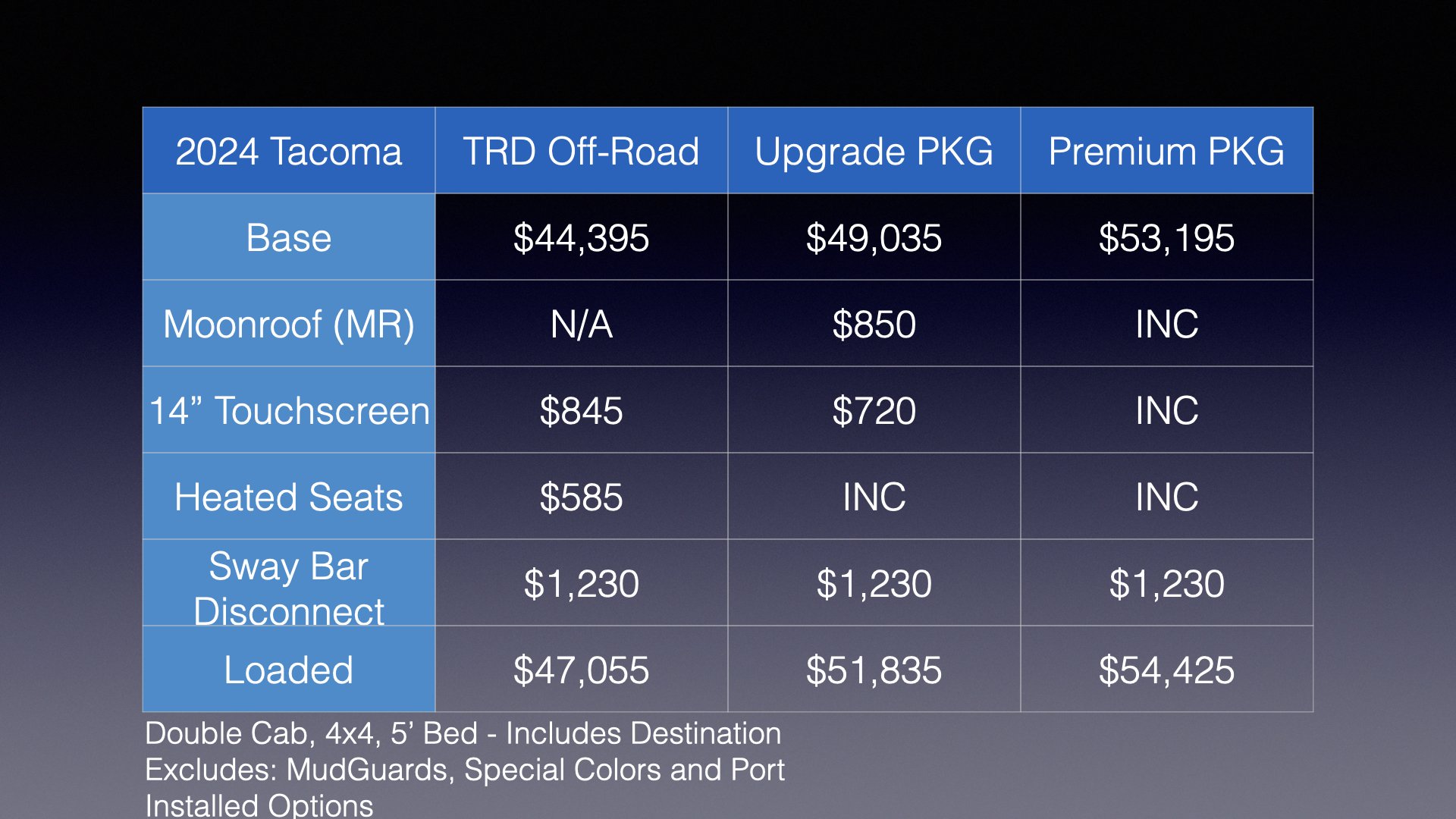
14” Screens need to be optioned into for the Base PKG and Upgrade PKG trucks. While the Base PKG cannot have a sunroof added.
TRD Upgrade Package features
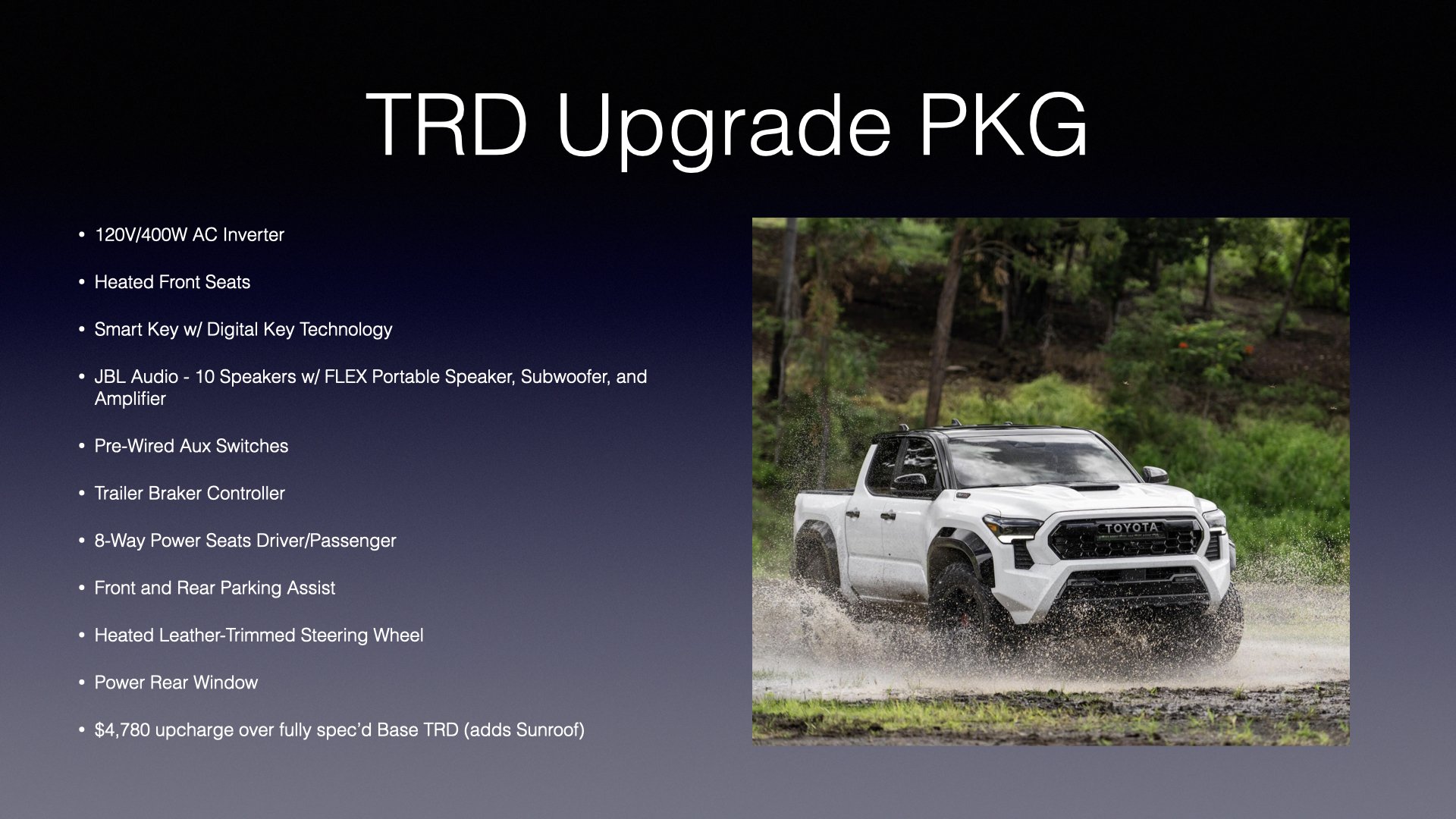
The TRD Upgrade Package is quite expensive for the features on offer. You may want to consider spending a little more to get the full Premium Package, since we’re already into the $50,000 range.
TRD Premium package features
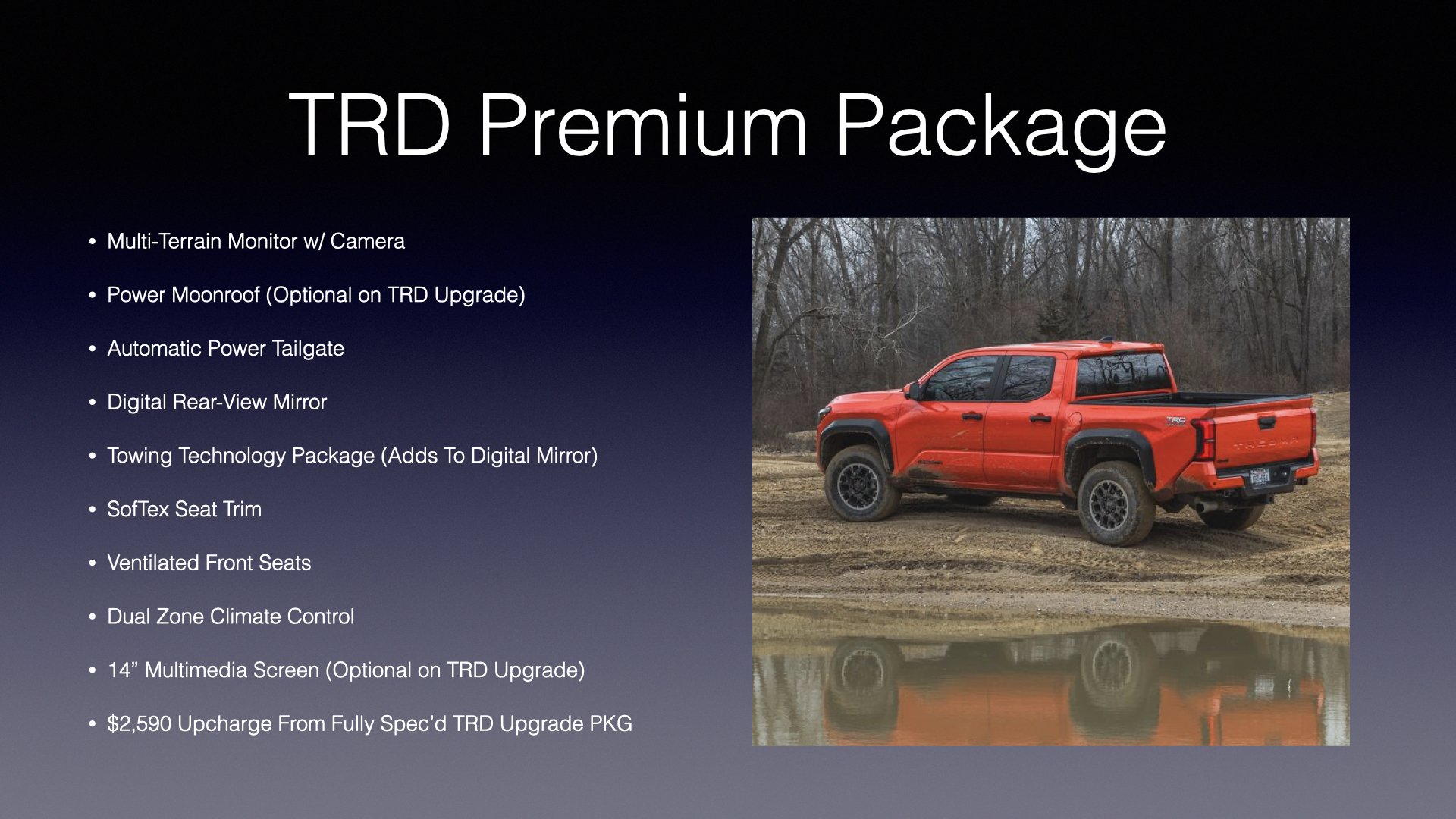
The TRD Premium is the only way to get things like Ventilated Softex Seats, Dual Zone Climate Control, and the Power Tailgate. Overall, this is a pretty good value at only $2,590 over a fully loaded Upgrade Package truck.
Joe Scandaliato - March 2024
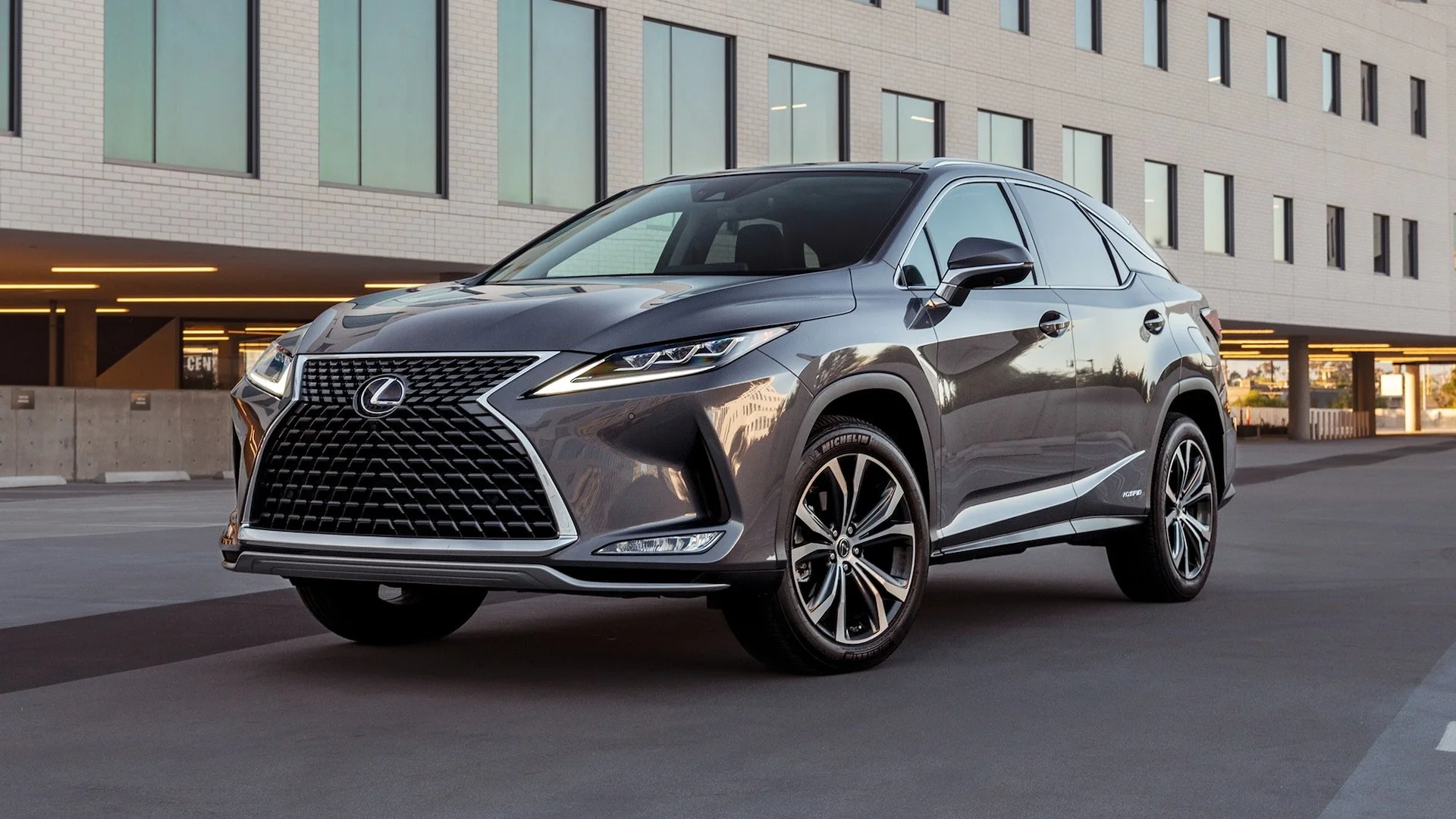
Why You Should Consider a Certified Pre-Owned Lexus
What is the warranty on a Lexus CPO “Certified Pre Owned” vehicle? We’ll look at that and some of the features on this 2021 Lexus RX450h F-Sport.
Enter the prior generation Lexus RX 450h. With its 308 horsepower and 30 miles per gallon combined it may just be the perfect combination of performance and efficiency. This vehicle will up the fuel mileage from 22 MPG of the gasoline-powered RX 350 to a combined 30 miles per gallon with a slight horsepower bump. When compared to its redesigned 2023 counterparts the RX 450h may be one of the best values in the luxury crossover segment.
With its somewhat polarizing new style, along with the move to a four-cylinder engine the 2023 RX 350h is positioned a bit more like a base vehicle. While the new RX 500h receives a significant price increase the RX 450 slots right in the middle while providing excellent value as a pre-owned vehicle.
Plus when you consider a certified pre-owned Lexus vehicle, you'll also have the benefit of a six-year unlimited mileage warranty from Lexus. Two years and 20 000 miles of complementary service are also part of the certified pre-owned program. You'll have Towing roadside assistance and loaner car coverage at your Lexus Dealership.
So if you're looking for an electrified crossover from the Toyota family of vehicles, I really think the last generation rx450h is one of the best values out there. And of course the brokerage will help you every step of the way. The dealership may be beautiful, but why not save yourself hours of frustration with the traditional car buying experience and step up to Auto Broker Colorado
Is Now A Good TIme To Buy A Car?
Navigating Car Inflation: Finding Great Deals with An Auto Brokerage

Car inflation has become a growing concern for buyers as automotive prices continue to rise. Understanding the supply and demand dynamics within the industry is crucial to navigate this trend. In this blog post, we'll explore these factors while highlighting the emergence of great deals and rebates that provide relief to car buyers. Our auto brokerage is here to help you find the right brand and secure the best deal in this challenging market.
Supply and Demand Factors
1. Supply Chain Disruptions: Global supply chain disruptions, including labor shortages and component scarcity, have reduced vehicle production and limited supply. Manufacturers have capitalized on this scarcity by increasing prices, contributing to car inflation.
2. Limited Inventory: High consumer demand and limited dealership inventory intensify the supply-demand imbalance. Quick turnovers of available vehicles reduce incentives for dealerships to offer discounts.
3. Increased Consumer Demand: Growing desire for personal transportation, pent-up demand after lockdowns, and shifting preferences have led to heightened consumer demand. This surge in demand has driven prices upward, exacerbating car inflation.
4. Semiconductor Shortage: The global shortage of semiconductors has disrupted production schedules, leading to longer delivery times. Manufacturers prioritize production based on profit margins, resulting in price increases for certain models.
Exploring Great Deals and Rebates
Amidst car inflation, our auto brokerage is dedicated to helping buyers find great deals and rebates in the market. We offer the following assistance:
1. Manufacturer Rebates: We stay updated on automakers' attractive rebates and incentives, such as cashback offers and reduced financing rates. Our brokerage ensures you benefit from these opportunities to save money and counter the impact of car inflation.
2. Dealer Discounts: We have extensive connections with dealerships and can negotiate discounts on new and pre-owned vehicles. Our goal is to secure the best price reductions, promotional financing rates, and additional benefits like free maintenance or extended warranties for our clients.
3. Special Financing Options: Through our partnerships with financing institutions and automakers, we can help you explore special financing options, such as low or zero-percent interest rates, extended loan terms, or deferred payment plans. Our brokerage aims to make vehicle purchases more affordable and manageable for you.
As car inflation continues to be a concern, H.M. Brown is here to assist you in navigating this challenging market. We understand the supply and demand dynamics that contribute to rising automotive prices. By leveraging our expertise, connections, and market insights, we can find the right brand and secure the best deal for you. Whether it's accessing manufacturer rebates, negotiating dealer discounts, or exploring special financing options, our goal is to help you counter the impact of car inflation and find an affordable vehicle that meets your needs. Trust our auto brokerage to guide you through this difficult market and make your car-buying experience a successful one.